 4 Mar 2026
How to Become a Paramedic
What is a Paramedic?
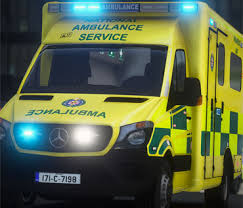
A paramedic is a trained professional who provides emergency medical care to people who are seriously ill or injured, with the primary goal of stabilising the patient before they are transported to a hospital.
Paramedics are skilled in assessing and managing various medical emergencies, administering treatment, and providing life-saving interventions on-site.
Entry routes to becoming a Paramedic:
- Undergraduate BSc Paramedic Studies Degree
- The HSE Student Paramedic Training Programme
Working Life
Paramedics are more highly qualified than EMTs because they undergo a longer period of training. However, EMTs are a vital part of the voluntary and auxiliary services where an emergency practitioner must be on board any ambulance transporting a patient to hospital.
Paramedics respond to emergency calls, perform certain medical procedures and transport patients to hospital in accordance with protocols and guidelines established by physician medical directors.
The PHECC Registered Paramedic provides a full range of pre-hospital emergency and out-of-hospital care services, focusing on the patient’s health and well-being in various scenarios.
The role requires paramedics to make complex clinical decisions in dynamic and sometimes unpredictable environments. This includes ensuring patient safety, performing interventions, and offering leadership to other healthcare professionals in the field.
The paramedic works alongside other healthcare providers, contributing to both scheduled and unscheduled healthcare services. Collaboration is vital in delivering effective care.
The National Ambulance Service (NAS) aims to deliver clinically appropriate, timely pre-hospital patient care and transportation services. The service is integrated within a broader continuum of care, involving coordination with other healthcare providers.
Advanced Paramedics - The PHECC Registered Advanced Paramedic is responsible for the care, treatment and movement of patients and maintaining self, vehicles, equipment and station in a manner fit to respond to that role. Paramedics must have a minimum of two years paramedic registration experience in order to be eligible to apply for this training programme.
Some of the Clinical/Patient Care responsibilities of an Advanced Paramedic include:
- Developing positive working relationships with other staff and stakeholders; internal and external, to ensure seamless delivery of care and to optimise outcomes for their patients
- Attend to cases of accident and sudden illness and respond to AS1, AS2 and AS3 calls in a prompt and timely manner
- Deal with emergencies as directed
- Attend to patients in a professional courteous and compassionate manner using best practice including compliance with Clinical Practice Guidelines.
Most commonly reported Work Tasks
- Administer drugs, orally or by injection, or perform intravenous procedures.
- Administer first aid treatment or life support care to sick or injured persons in prehospital settings.
- Assess nature and extent of illness or injury to establish and prioritise medical procedures.
- Attend training classes to maintain certification licensure, keep abreast of new developments in the field, or maintain existing knowledge.
- Comfort and reassure patients.
- Coordinate with treatment center personnel to obtain patients' vital statistics and medical history, to determine the circumstances of the emergency, and to administer emergency treatment.
- Coordinate work with other emergency medical team members or police or fire department personnel.
- Instruct emergency medical response team about emergency interventions, to ensure correct application of procedures.
- Observe, record, and report to physician the patient's condition or injury, the treatment provided, and reactions to drugs or treatment.
- Operate equipment, such as electrocardiograms (EKGs), external defibrillators, or bag valve mask resuscitators, in advanced life support environments.
Key Tips and Requirements:
- Recruitment: Register with the HSE Career Hub to be notified of the next student paramedic recruitment campaign.
- Education Requirements: You need a minimum of six passes in the Leaving Certificate (2017 or later) at Ordinary Level or higher, including Maths and a Science subject (Physics, Chemistry, Biology, or Agricultural Science).
- Alternative Entry: If you lack the Science subject, you must possess a Pre-Hospital Emergency Care Council (PHECC) Emergency Medical Technician (EMT) certificate.
- Driving License: A full Class C1 (light truck) license is typically required.
- Training Programme: The three-year program includes theory and clinical placements with the NAS, culminating in a BSc (Hons) in Paramedical Science.
- Registration: Once qualified, you must register with the Pre-Hospital Emergency Care Council (PHECC).
Becoming an EMT
- Certification: Requires a National Qualification in Emergency Medical Technology (NQEMT) and a licence from the Pre-Hospital Emergency Care Council (PHECC).
- Course Structure: Typically includes 160 hours of training covering anatomy, patient assessment, trauma, and medical emergencies, with clinical placements for hands-on experience.
- Requirements: Applicants must be 16+ (or 18+ for some roles), hold a Leaving Cert or equivalent, and require Garda vetting. A full C1 driving licence is often required for ambulance service roles.
- Career Path: EMTs are often employed by the HSE National Ambulance Service, private ambulance services, fire services, and voluntary rescue services.
- Salary: In Dublin, entry-level EMTs (1–3 years) earn an average of approximately €29,642, while experienced personnel (8+ years) can earn around €47,468.
There are super resources on this LINK at Careers Portal
